
New software tools appear almost every day, and some quickly attract attention despite having limited public documentation. If you’ve searched why GenBoosterMark software is so popular, you’re probably trying to understand what it does, why people are discussing it, or how to use it successfully.
At the time of writing, there is no widely verified public documentation describing GenBoosterMark as a recognized commercial software platform or open-source project. Because of that, it’s important to separate confirmed information from online speculation. This guide explains what is currently known, explores why lesser-known software often gains attention, and answers common questions such as why can’t I run my GenBoosterMark code and how to run GenBoosterMark Python in online environments.
What Is GenBoosterMark Software?
Currently, there is no publicly verified documentation confirming the exact purpose, developer, or official feature set of GenBoosterMark software.
The name may refer to:
- An internal company application
- A private development project
- A proprietary benchmarking tool
- A Python-based utility
- Software distributed within a limited community
Until official documentation becomes available, any claims about specific features or capabilities should be treated cautiously.
Why GenBoosterMark Software Is So Popular
Many users search why GenBoosterMark software is so popular, but there is no verified evidence confirming widespread adoption or popularity.
However, when lesser-known software attracts online attention, it’s often because of factors such as:
Curiosity Within Developer Communities
Developers frequently discuss new or niche software projects, especially if they promise to solve specific technical challenges.
Specialized Business Applications
Some software remains relatively unknown because it is designed for internal organizational use rather than public distribution.
Growing Interest in Python Tools
If GenBoosterMark is Python-based, it may benefit from Python’s popularity in:
- Automation
- Data analysis
- Machine learning
- Web development
- Scientific computing
Python’s widespread use naturally increases interest in related software projects.
Common Reasons Software Becomes Popular
Regardless of the product name, software often gains attention because it offers one or more of the following advantages:
- Improved productivity
- Easier automation
- Faster workflows
- Better collaboration
- Simplified coding
- Reliable performance
These characteristics are common among successful software tools across many industries.
Why Can’t I Run My GenBoosterMark Code?
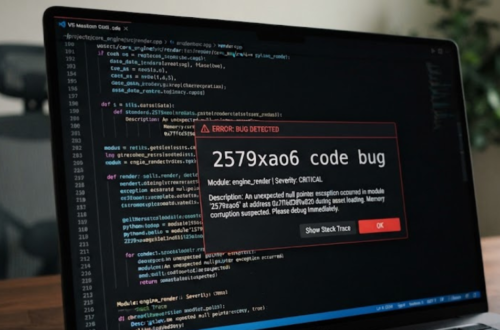
One of the most common technical questions is why can’t I run my GenBoosterMark code.
Although there is no official troubleshooting guide for GenBoosterMark, many Python-based applications experience similar issues.
Incorrect Python Version
Some projects require a specific Python release.
Verify your installed version by running:
python --versionMissing Dependencies
Applications often rely on external libraries.
If required packages are missing, the program may fail to start.
Review the project’s documentation or dependency file (such as requirements.txt) if available.
Configuration Errors
Incorrect settings may prevent software from running correctly.
Check:
- File paths
- Environment variables
- Configuration files
- API credentials
Permission Problems
Administrative restrictions or limited file permissions may prevent execution.
Running the application with appropriate permissions may resolve the issue.
How to Run GenBoosterMark Python in Online Environments
Many users ask how to run GenBoosterMark Python in online platforms.
Without official documentation, no specific online setup process can be confirmed. However, most Python projects can generally be tested using browser-based Python environments if they don’t require specialized hardware, private dependencies, or local system access.
Before running any project online:
- Verify the required Python version.
- Install any dependencies supported by the platform.
- Upload the necessary project files.
- Configure environment variables if needed.
- Test the application using sample data.
If the software depends on proprietary components or restricted resources, an online environment may not be suitable.
Best Practices for Running Python Projects
Whether you’re working with GenBoosterMark or another Python application, following these practices can help reduce errors.
Use Virtual Environments
Virtual environments isolate project dependencies and prevent conflicts between applications.
Keep Dependencies Updated
Outdated libraries often cause compatibility problems.
Update packages regularly while testing for breaking changes.
Read Error Messages Carefully
Python provides detailed error reports.
Instead of ignoring tracebacks, identify:
- Missing modules
- Syntax errors
- Permission issues
- Configuration problems
These messages usually point directly to the source of the problem.
Tips for Troubleshooting Python Software
When an application doesn’t run correctly, follow this checklist:
- Verify the Python version.
- Install missing packages.
- Review configuration files.
- Check project documentation.
- Confirm file permissions.
- Restart your development environment.
- Test with a minimal example.
Working through problems step by step is often faster than changing multiple settings at once.
How to Evaluate New Software
Before adopting any emerging software platform, ask the following questions:
- Is there official documentation?
- Is the software actively maintained?
- Are updates released regularly?
- Does it have a user community?
- Is technical support available?
- Is the source trustworthy?
Reliable answers to these questions can help you determine whether a tool is suitable for production use.
Frequently Asked Questions
Why is GenBoosterMark software so popular?
There is currently no publicly verified evidence confirming that GenBoosterMark is a widely recognized software platform. Interest may stem from niche developer discussions, private projects, or limited-distribution software.
Why can’t I run my GenBoosterMark code?
Common causes include incompatible Python versions, missing dependencies, incorrect configuration, permission issues, or incomplete project files.
How to run GenBoosterMark Python in online environments?
Without official documentation, no platform-specific instructions can be confirmed. In general, browser-based Python environments can run compatible projects if all required dependencies and configuration settings are supported.
Is GenBoosterMark open source?
There is currently no publicly verified information confirming whether GenBoosterMark is open source or proprietary.
Where can I find official documentation?
If GenBoosterMark belongs to a private organization or internal development project, documentation may only be available through the software’s developer or administrator.
Conclusion
Many people search why GenBoosterMark software is so popular, but publicly available information remains limited. At present, there is no verified documentation confirming its official purpose, features, or level of adoption. If you’re trying to understand why can’t I run my GenBoosterMark code or how to run GenBoosterMark Python in online environments, the most effective approach is to follow proven Python troubleshooting practices and seek guidance from the software’s developer if available.
As more official information becomes available, relying on verified documentation rather than speculation will help you make informed decisions about installation, configuration, and long-term use. In the meantime, maintaining a solid understanding of Python environments, dependency management, and debugging techniques will benefit you regardless of the specific project you’re working on.